Finding running shoes that fit
The fit points that matter, why afternoon is the best time to try, and how to tell a good fit from a hopeful one.
By QuickGuideHub Editors · 4 min read
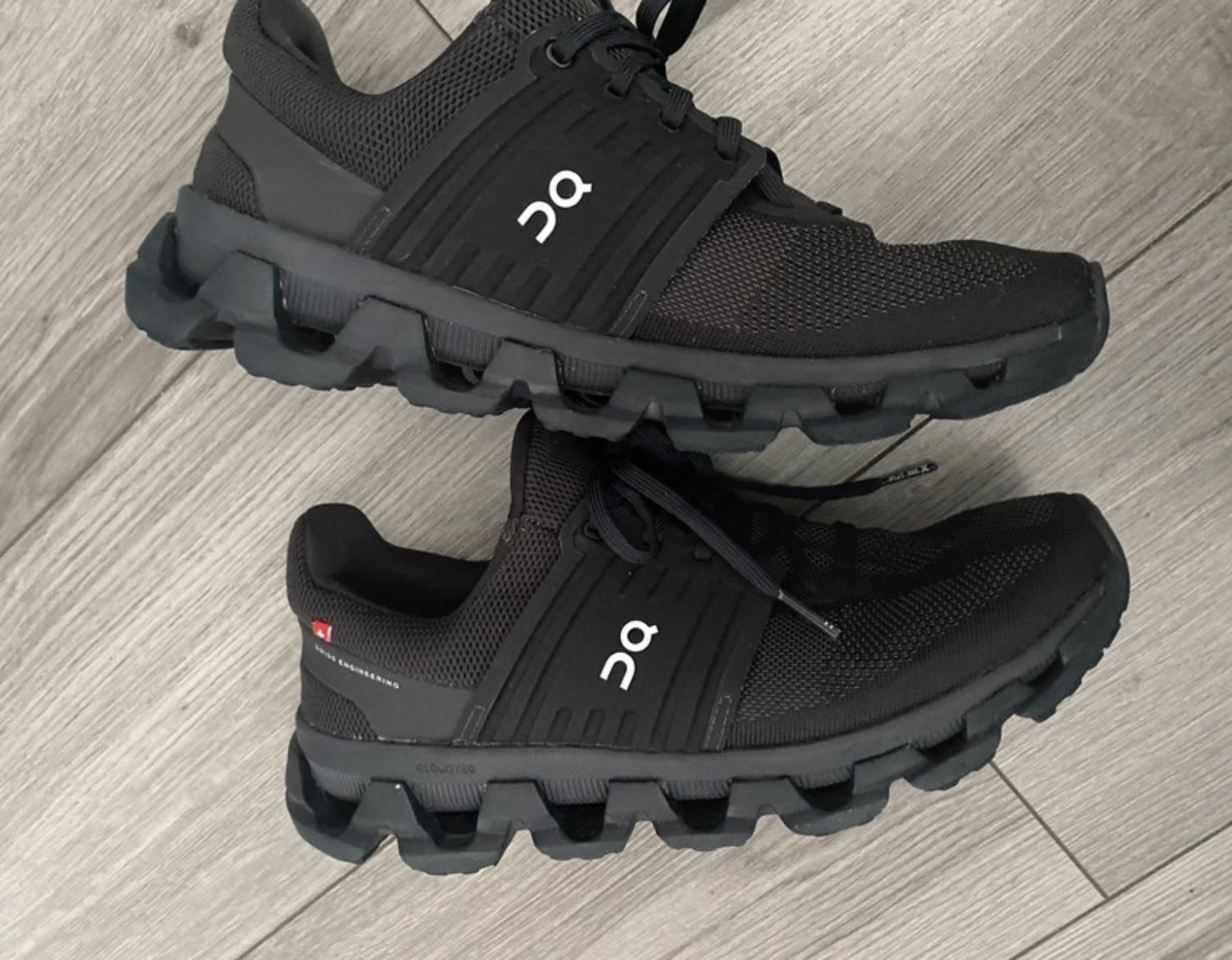
A running shoe that fits well is the one that disappears while you run. You stop noticing it. Getting there is less about finding the perfect model and more about checking a handful of fit points and trying shoes at the right time of day with the right socks. The fanciest shoe in the wrong size will still give you blisters.
The fit points that matter
Start at the toes. With the shoe on and laced, you want about a thumb's width of space between your longest toe and the front of the shoe. Feet swell and slide forward on a run, especially downhill, and a shoe with no room is how you lose toenails. Your longest toe is not always the big toe, so check the one that actually reaches furthest.
Then check the width and the midfoot. The widest part of your foot should sit in the widest part of the shoe without the sides pressing in. The midfoot should feel held but not pinched once laced, and your heel should stay put rather than lifting with each step. A heel that slips is a blister waiting to happen.
- A thumb's width of room ahead of your longest toe
- The ball of your foot sitting at the widest part of the shoe
- A secure midfoot that holds without pinching
- A heel that stays down and does not slip
- No pressure points or seams digging in anywhere
Try them at the right time
Feet are not the same size all day. They swell as you move and as the day goes on, so a shoe that fits perfectly first thing in the morning can feel tight on an evening run. Try running shoes in the late afternoon or after you have been on your feet for a while, which is closer to how they will feel partway through a run.
Wear the socks you actually run in, not the thin dress socks you happen to have on in the shop. Sock thickness changes the fit noticeably. If you use any insole or orthotic, bring it and fit the shoe with it in place, since it takes up room the shoe needs to account for.
Fit to your larger foot
Almost everyone has one foot slightly larger than the other. Fit the shoe to the bigger foot, and snug up the laces on the smaller side. A shoe sized to your smaller foot will cramp the larger one on every run. Stand up and walk, and if you can, do a few strides, because a shoe can feel fine sitting down and wrong under your weight in motion.
Quick signs of fit while trying shoes on
| Sign | Good fit | Reconsider |
|---|---|---|
| Toe room | A thumb's width ahead | Toes touch the end |
| Heel | Stays put | Lifts or slips |
| Width | Snug, no pressure | Sides press or bulge |
| First steps | Comfortable now | Needs breaking in |
Match the shoe to where you run
Where you run narrows the choice before fit even comes up. Road shoes have smoother, harder-wearing soles for pavement, while trail shoes add deeper grip for loose or muddy ground. If you mostly run on roads and paths, a road shoe is the straightforward pick. How much cushioning you want is a matter of comfort and preference, so go by how a shoe feels underfoot rather than by any claim on the box.
When to replace them
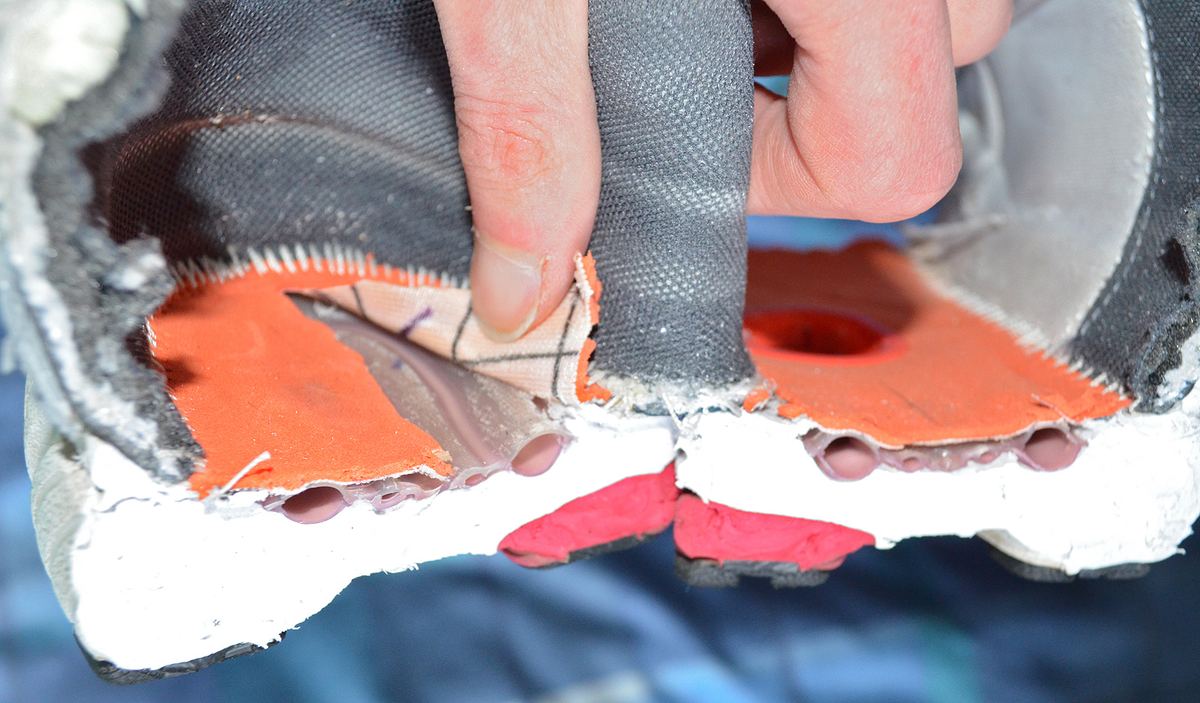
Shoes wear out gradually, so the change is easy to miss. A sole flattening and smoothing, the midsole creasing, and new aches after runs that used to feel fine are all signs the cushioning is spent. If you run often, rotating between two pairs spreads the wear and lets each pair recover its shape between runs.
Ignore the idea of breaking them in
A running shoe should feel good on the first walk around the shop. The old idea that you push through discomfort until the shoe breaks in does not apply here; a shoe that hurts in the store will hurt on the road. Comfort on day one is the single most useful signal, ahead of brand, colour, or what a chart says your size should be. Trust how they feel, not what the box says.
Photo credits
- Hero: Goodreg3 / Wikimedia Commons, CC BY-SA 4.0
- In article: Yottanesia / Wikimedia Commons, CC0 1.0
- In article: N509FZ / Wikimedia Commons, CC BY-SA 4.0
Keep reading
- 01
Building a basic home workout corner
Home · 4 min read · Oct 22, 2026
- 02
Getting started with a walking habit
Everyday · 4 min read · Oct 7, 2026
- 03
Switching to a cheaper phone plan
Bills · 4 min read · Oct 13, 2026