Switching to a cheaper phone plan
What an MVNO actually is, how to check coverage before you move, and the steps to switch without losing your number.
By QuickGuideHub Editors · 4 min read
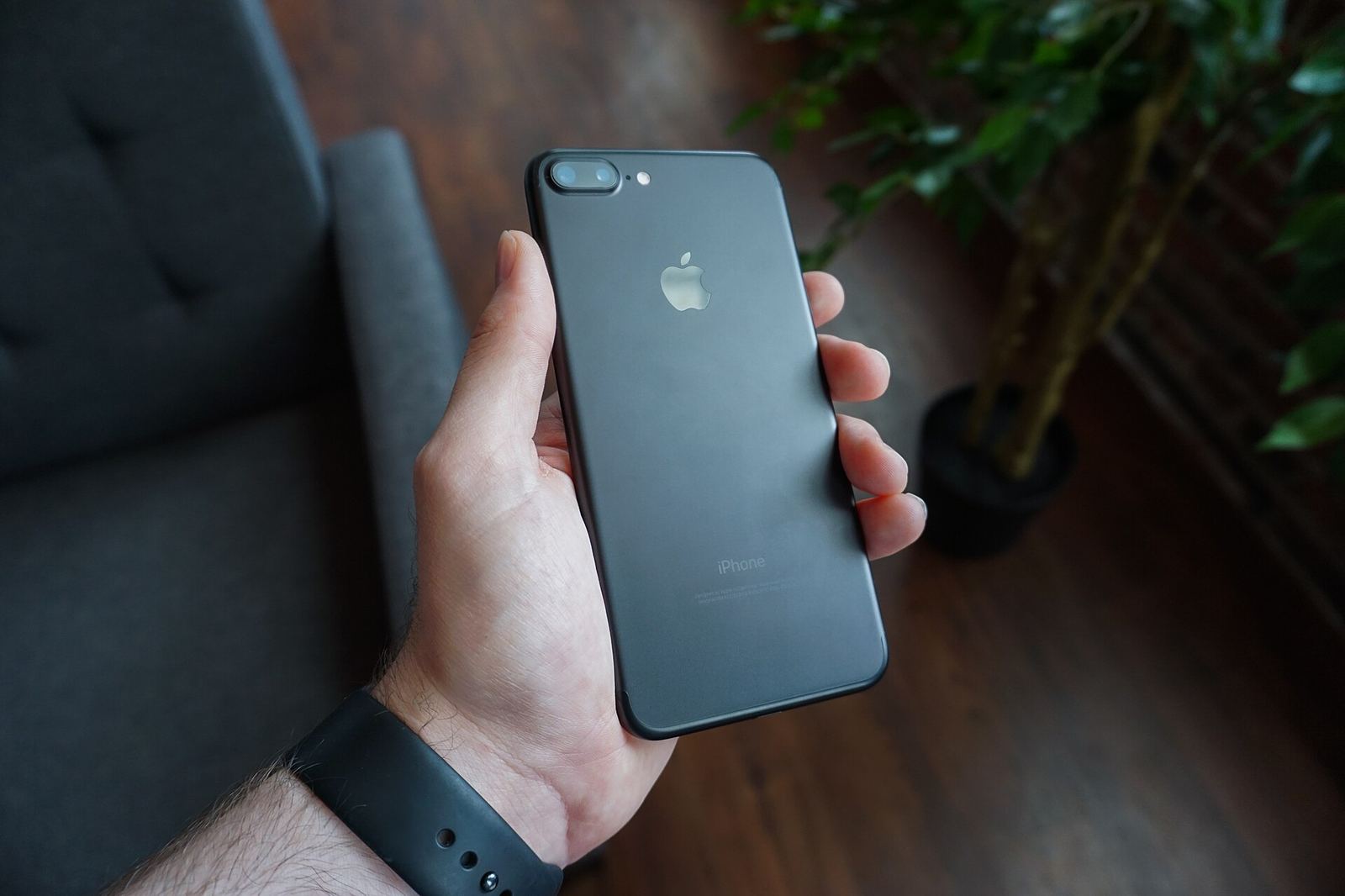
Phone bills are one of the easier recurring costs to cut, because the service you are paying for is often available for less from a different seller. The catch is a bit of jargon and a fear of losing your number or your signal. Both are manageable once you know what to look at.
What an MVNO is
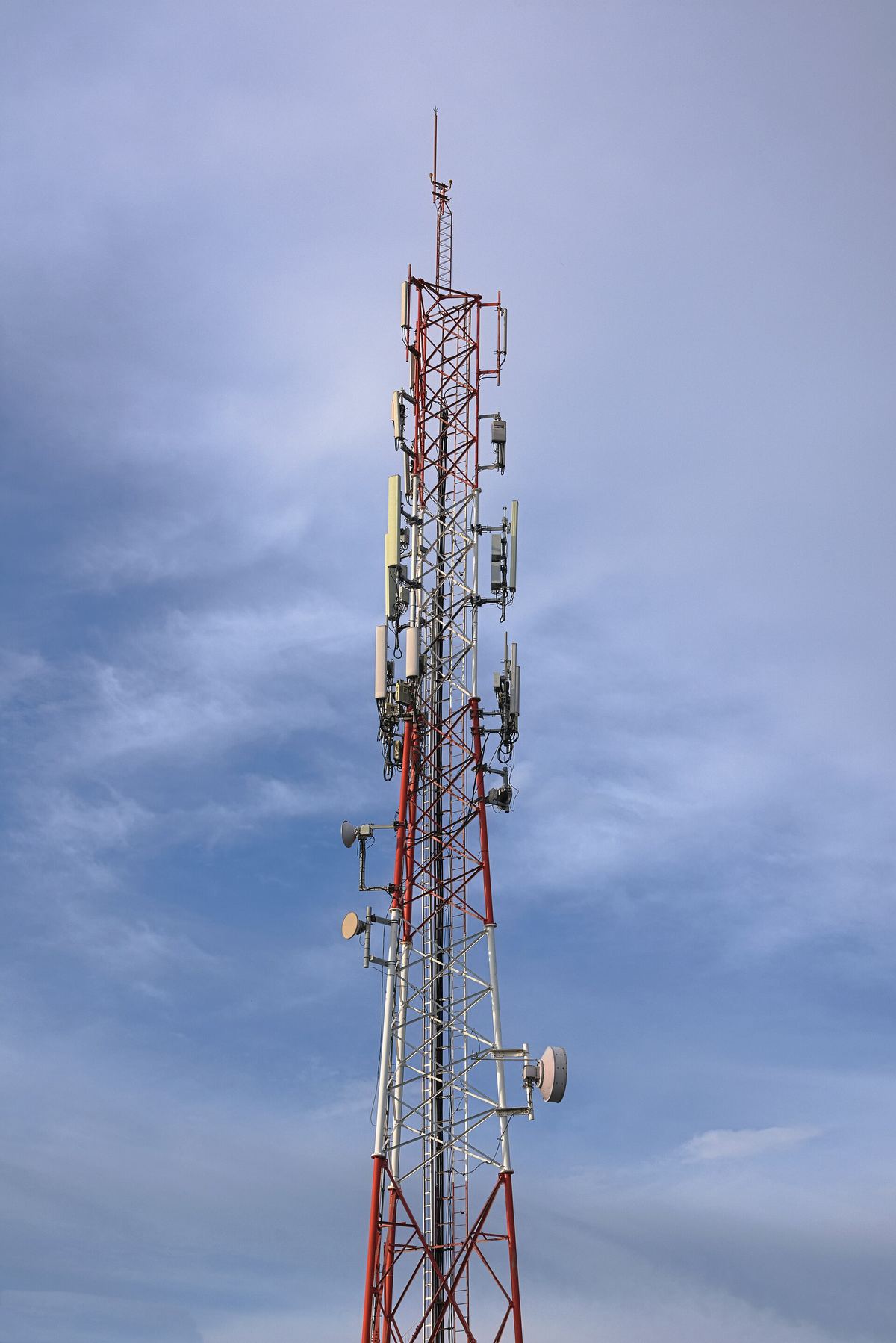
A mobile virtual network operator, or MVNO, is a company that sells phone service but does not own the towers. It rents capacity from one of the major networks and resells it, usually with cheaper plans and fewer extras. The calls and data you get ride on the same physical network as the big-name carrier behind it.
That is the key fact for saving money. If an MVNO runs on the same network that already covers your area well, you get comparable service at a lower price. The trade-offs are usually softer perks: slower customer service, fewer bundled subscriptions, and sometimes lower priority on the network when it is congested.
Check coverage before you move
Coverage is the one thing worth checking carefully, because a cheap plan is worthless if you have no signal at home. Find out which major network the MVNO uses, which they state plainly. Then look at that network's coverage map for the places you spend time, rather than only your home address.
- Where you sleep, including indoors and in the back rooms
- Where you work or study
- The commute in between
- Anywhere you rely on data, like a gym or a relative's house
Maps are optimistic, so the stronger test is real-world experience. If a friend or housemate already uses that network and gets a good signal where you live, that tells you more than any map. Some MVNOs also offer a cheap trial or a short first month, which is the most honest way to find out.
Match the plan to your real usage
The second saving is buying the right size. Carriers earn well from large data allowances that most people never use. Your current provider's app or account page usually shows your monthly data use over the past several months. Look at the real numbers and add a small buffer rather than guessing high.
Rough monthly data by how you use your phone
| Usage style | Typical monthly data |
|---|---|
| Mostly wifi, calls and messages | A few GB |
| Daily browsing and maps on the move | A moderate allowance |
| Regular video and streaming on mobile data | A large allowance |
If you are on wifi most of the day at home and work, you likely need far less than the plan you are on. Pick the smallest allowance that covers a normal month, since bumping up later is easy and most plans do not punish it.
It is also worth checking what counts as a billing month on the plan, and whether any unused data rolls over or is simply lost. For most people the simplest honest answer is to pick a small allowance, watch the first month or two of real use, and nudge it up only if you actually run short.
Keep your handset, change the plan
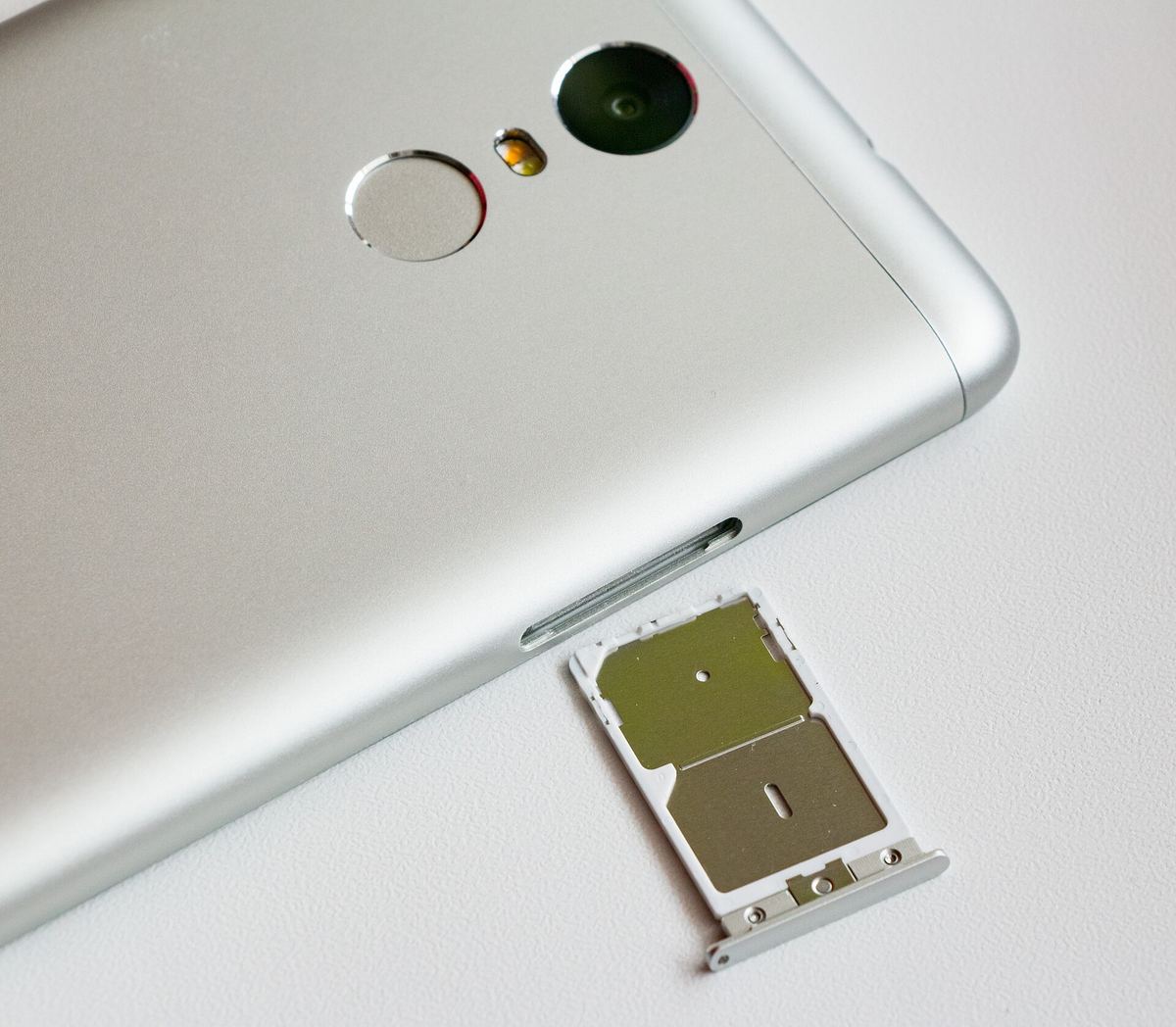
Most MVNOs sell the plan on its own and do not bundle a phone, which is part of why they are cheaper. If your current phone works and is not tied to your old network, you can almost always keep it and just move the SIM across. Check that the phone is not locked to your old network first; if it is, the old provider can usually release it, often at no cost once any contract is finished.
If you do need a new handset, treat it as a separate decision. Buying a phone outright and then choosing a cheap SIM-only plan is often less expensive over a couple of years than a single deal that folds the phone and the service together, where the real cost of the handset is harder to see.
Switch without losing your number
Keeping your number is a standard process. You request a transfer code from your current provider, give it to the new one, and the number moves across, usually within a day. Do not cancel your old plan first, because cancelling can forfeit the number. Let the transfer close the old account instead.
- Note your current data use and any time left on your contract
- Choose an MVNO on a network with good local coverage
- Order the new SIM and wait for it to arrive
- Request your transfer code from the old provider
- Give the code to the new provider and keep the old SIM in until the number moves
Check whether a contract is still running, since leaving early can bring a fee that cancels out the saving for a month or two. Once the number has transferred and the new SIM works, the old account closes on its own.
Photo credits
- Hero: Dennis Cortés cortes / Wikimedia Commons, CC0 1.0
- In article: Ilya Plekhanov / Wikimedia Commons, CC BY-SA 4.0
- In article: Cvmontuy / Wikimedia Commons, CC BY-SA 4.0
Keep reading
- 01
Cutting your grocery bill without coupons
Groceries · 4 min read · Oct 2, 2026
- 02
Starting an emergency fund
Saving · 4 min read · Sep 19, 2026
- 03
Building a simple monthly budget
Budgeting · 4 min read · Sep 8, 2026