Building a simple monthly budget
Two methods that people actually keep using, and how to pick the one that matches how you think about spending.
By QuickGuideHub Editors · 4 min read

A budget only works if you look at it again after you make it. Most people build an elaborate spreadsheet in one sitting, feel organized, and never open it. The goal here is smaller: a plan simple enough that checking it takes five minutes, and honest enough that it matches what your bank statement already shows.
Two approaches cover most situations. The 50/30/20 split is fast to set up and good when your income is steady. Zero-based budgeting takes more attention but handles irregular pay and tight months better. Neither is the right answer on its own. The right one is the one you will still be using in March.
Before you choose, do one thing: download the last two months of transactions from your bank and card, and sort them into rough groups. You are not budgeting yet. You are finding out where the money actually goes, because almost everyone guesses wrong on at least one category.
Start by reading your own spending
Open your statements and tag each line as a need, a want, or savings and debt. Keep it loose. Rent, groceries, utilities, insurance, minimum loan payments, and travel to work are needs. Restaurants, subscriptions, hobbies, and the second coffee are wants. Anything you send to savings or pay above the minimum on a debt goes in the last group.
Add the needs for the month and divide by your take-home pay. That single percentage tells you which method fits. If needs eat 60 percent or more of your income, a rigid split will frustrate you, and zero-based budgeting will serve you better.
- Take-home pay for a normal month, after tax and deductions
- A full list of fixed bills with their due dates
- Two months of card and bank transactions
- Any irregular costs you know are coming, like an insurance renewal
The 50/30/20 split
This method sends 50 percent of take-home pay to needs, 30 percent to wants, and 20 percent to savings and debt beyond the minimums. It is popular because you set it once and the math is easy to carry in your head.
Treat those numbers as a target, not a verdict. In many cities, housing alone pushes needs past 50 percent, so the honest move is to adjust the ratio rather than pretend. A 60/25/15 split that you follow beats a 50/30/20 split that you abandon. What matters is that the savings slice is a real number you move on payday, not whatever happens to be left at the end of the month.
A worked example on 3,000 take-home pay
| Slice | Share | Amount |
|---|---|---|
| Needs | 50% | 1,500 |
| Wants | 30% | 900 |
| Savings and debt | 20% | 600 |
If your rent and utilities come to 1,700, the split above does not fit, and that is useful to know. Either the needs share rises and the wants share falls, or the housing cost itself is the thing to work on.
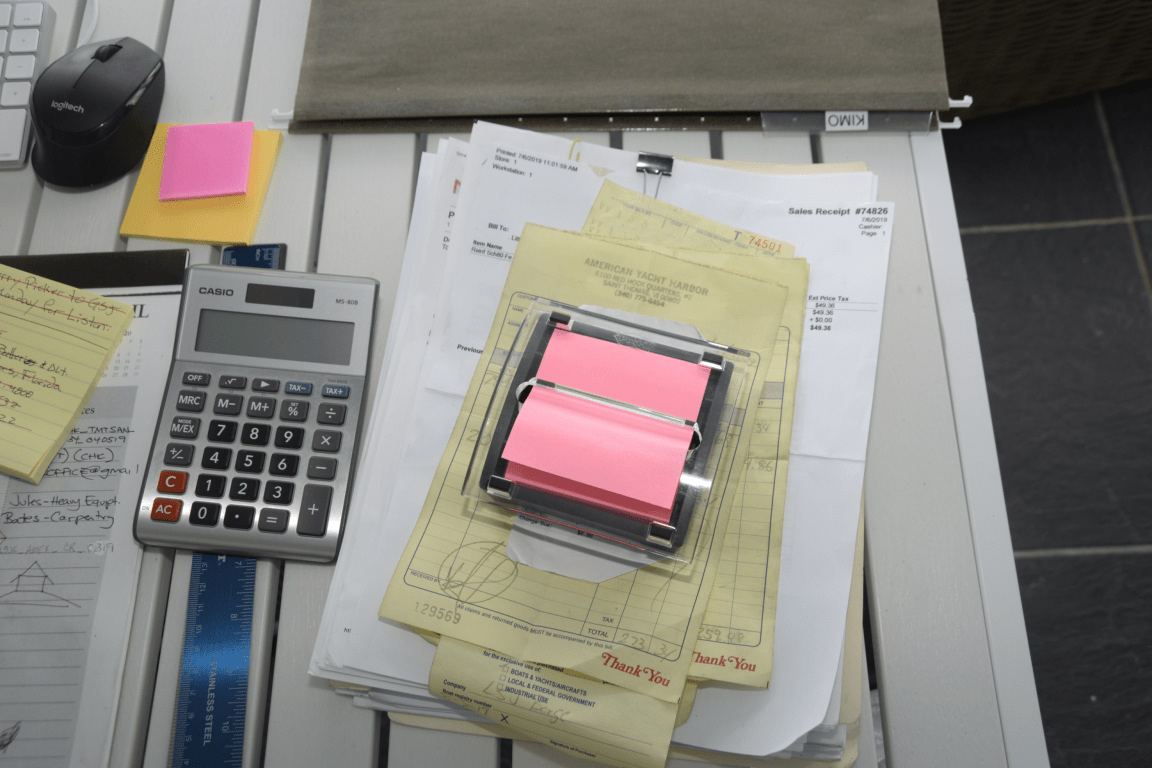
Zero-based budgeting
Zero-based budgeting starts from a different question. Instead of fixed percentages, you give every dollar of this month's income a specific job until nothing is unassigned. Income minus all your planned spending and saving equals zero, not because you spent it all, but because savings and set-asides are jobs too.
This takes more effort at the start and about ten minutes each payday after that. The payoff is control. When a category runs out, you move money from another category on purpose and see the trade-off right away. It suits freelancers and anyone whose pay changes month to month, because you budget the money you actually received rather than a number you hope for.
- Write down the income you have right now, not a forecast
- List every bill and spending category for the month
- Assign money to each until your income is fully allocated
- Create small monthly set-asides for costs that hit once or twice a year
- When something runs over, cover it from another category the same day
You do not need an app for either method. A notebook, a notes file, or a plain spreadsheet all work, and the simple tool you actually open beats the clever one you avoid. Pick whatever you will look at again next week.
Make it stick

Pick one method and commit to two full months. One month is too short to see the irregular costs that wreck a budget, like a car service or an annual membership. Put a recurring ten-minute check in your calendar, ideally the morning after payday, and keep the categories broad enough that sorting is quick.
Expect the first month to be messy. You will find a subscription you forgot and a category you set too low. That is the budget working, not failing. Adjust the numbers, keep the method, and let the second month be the real test.
Photo credits
- Hero: Federal Bureau of Investigation / Wikimedia Commons, Public domain
- In article: Federal Bureau of Investigation / Wikimedia Commons, Public domain
- In article: Freddy Castro readysetfreddy / Wikimedia Commons, CC0 1.0
Keep reading
- 01
Switching to a cheaper phone plan
Bills · 4 min read · Oct 13, 2026
- 02
Cutting your grocery bill without coupons
Groceries · 4 min read · Oct 2, 2026
- 03
Starting an emergency fund
Saving · 4 min read · Sep 19, 2026