Choosing a dog harness vs collar
When a harness is the safer choice, when a collar is fine, and how to check the fit with the two-finger rule.
By QuickGuideHub Editors · 4 min read

Collar or harness is one of the first choices a new dog owner makes, and it is usually framed as a rivalry. It is not. Most dogs are best served by a collar for everyday identification and a harness for walks, and the right balance depends on your dog's size, how they behave on the lead, and any breathing or neck issues.
What a collar does well
A flat collar is simple, light, and the natural place for ID tags and a licence. For a dog that walks calmly on a loose lead and does not pull, a well-fitted collar is perfectly comfortable. It stays on around the house, carries the information that gets a lost dog home, and takes seconds to put on.
The problem is pressure. When a dog pulls or lunges, a collar concentrates all of that force on the neck, where the windpipe and throat are. For a strong puller, a flat-faced breed, or a small dog with a delicate neck, that repeated strain is a real concern. A collar is also easier for some dogs to back out of when they panic.
- Your dog walks without pulling on the lead
- You need somewhere to attach ID tags, which is always
- The dog has no breathing or neck sensitivity
- You are around the house rather than on an active walk
What a harness does well
A harness spreads the force across the chest and shoulders instead of the neck. For dogs that pull, that is gentler and gives you more control without choking. It also helps small breeds, puppies still learning lead manners, and flat-faced dogs that struggle with any pressure on the throat.
Front-clip harnesses, with the lead attachment on the chest, gently turn a pulling dog back toward you and are a common training aid. Back-clip harnesses, with the attachment between the shoulders, are easy to use and suit dogs that already walk well. Neither replaces training, but a front clip can make the training walks calmer.
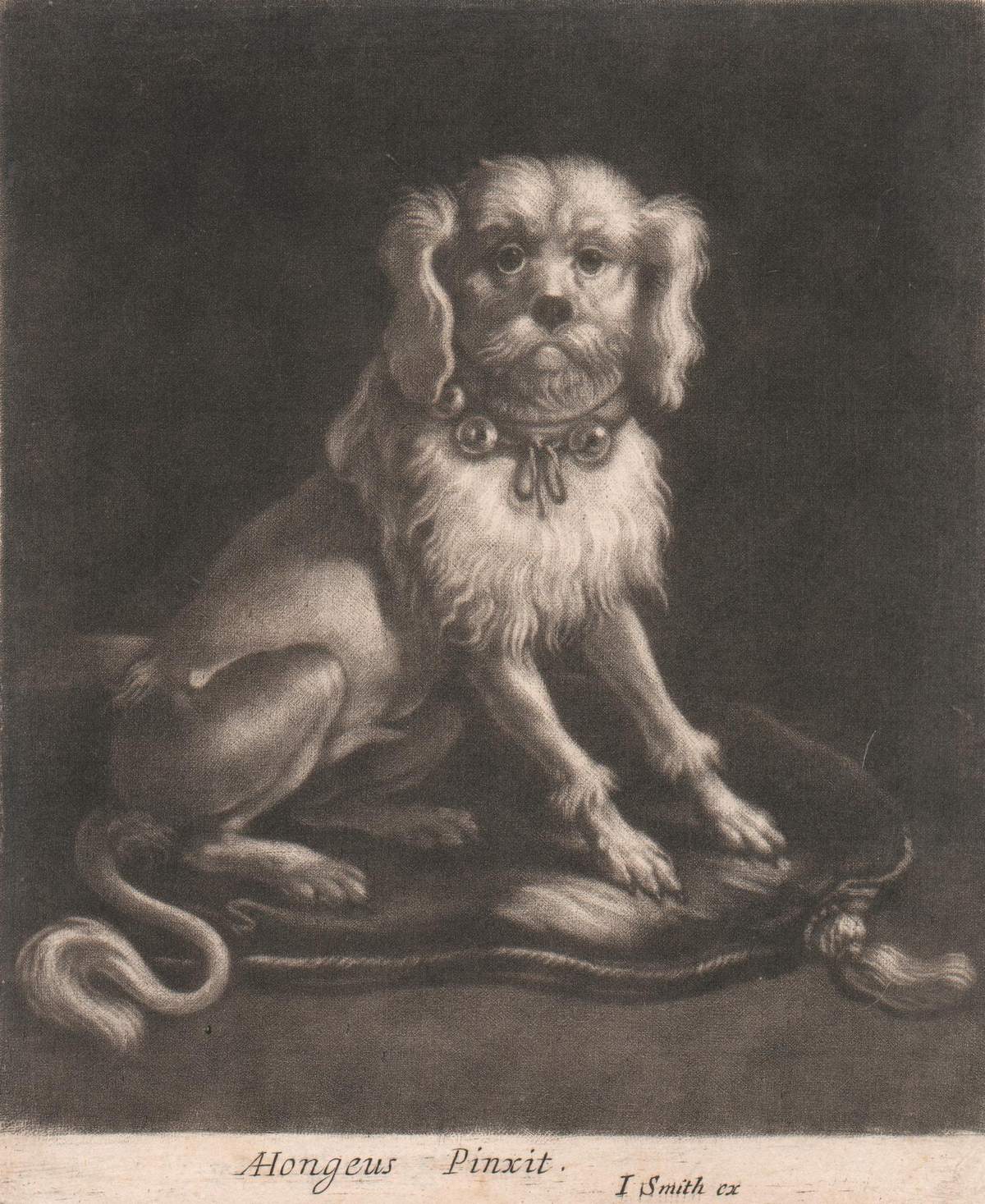
Check the fit with the two-finger rule
A collar or harness that is too loose can be backed out of; too tight and it rubs and restricts. The quick check is the two-finger rule: you should be able to slide two fingers flat between the strap and your dog's body, snug but not tight. Do this at the neck for a collar and at the chest and girth straps for a harness.
- Put the collar or harness on and fasten it as you normally would
- Slide two fingers flat under each strap; they should fit with a little resistance
- Check a harness at every strap, since one can be loose while another is snug
- Watch for rubbing at the armpits and shoulders on the first few walks
- Re-check the fit as puppies grow and after a coat is clipped
Fit changes over time. Puppies outgrow gear quickly, weight shifts the numbers, and a thick coat getting clipped can loosen everything at once. Make the two-finger check a quick habit rather than a one-time setup.

Introduce new gear gradually
A harness in particular can feel strange to a dog that has only worn a collar, and a dog that fights it at the door needs more time, not more force. Bring it in slowly. Let the dog sniff it, put it on for short, calm spells indoors with a treat, and build up to wearing it on the walk itself.
- Let the dog sniff and investigate the harness first
- Put it on indoors for a minute or two, paired with a treat
- Build up the time worn before you clip on the lead
- Keep the first harness walks short and upbeat
A practical setup for most dogs
For the majority of dogs, the comfortable answer is both. Keep a flat collar on with ID tags for identification, and use a harness for walks so the pulling force stays off the neck. Attach the lead to the harness, not the collar, once the harness is on. That way the dog always carries identification, and the walking pressure lands where it does the least harm.
Photo credits
- Hero: Grossman1Daniel / Wikimedia Commons, CC BY-SA 4.0
- In article: John Smith / Wikimedia Commons, CC0 1.0
- In article: Colin / Wikimedia Commons, CC BY-SA 3.0
Keep reading
- 01
Setting up a cat litter box
Cats · 4 min read · Sep 25, 2026
- 02
Building a basic home workout corner
Home · 4 min read · Oct 22, 2026
- 03
Finding running shoes that fit
Gear · 4 min read · Oct 18, 2026